
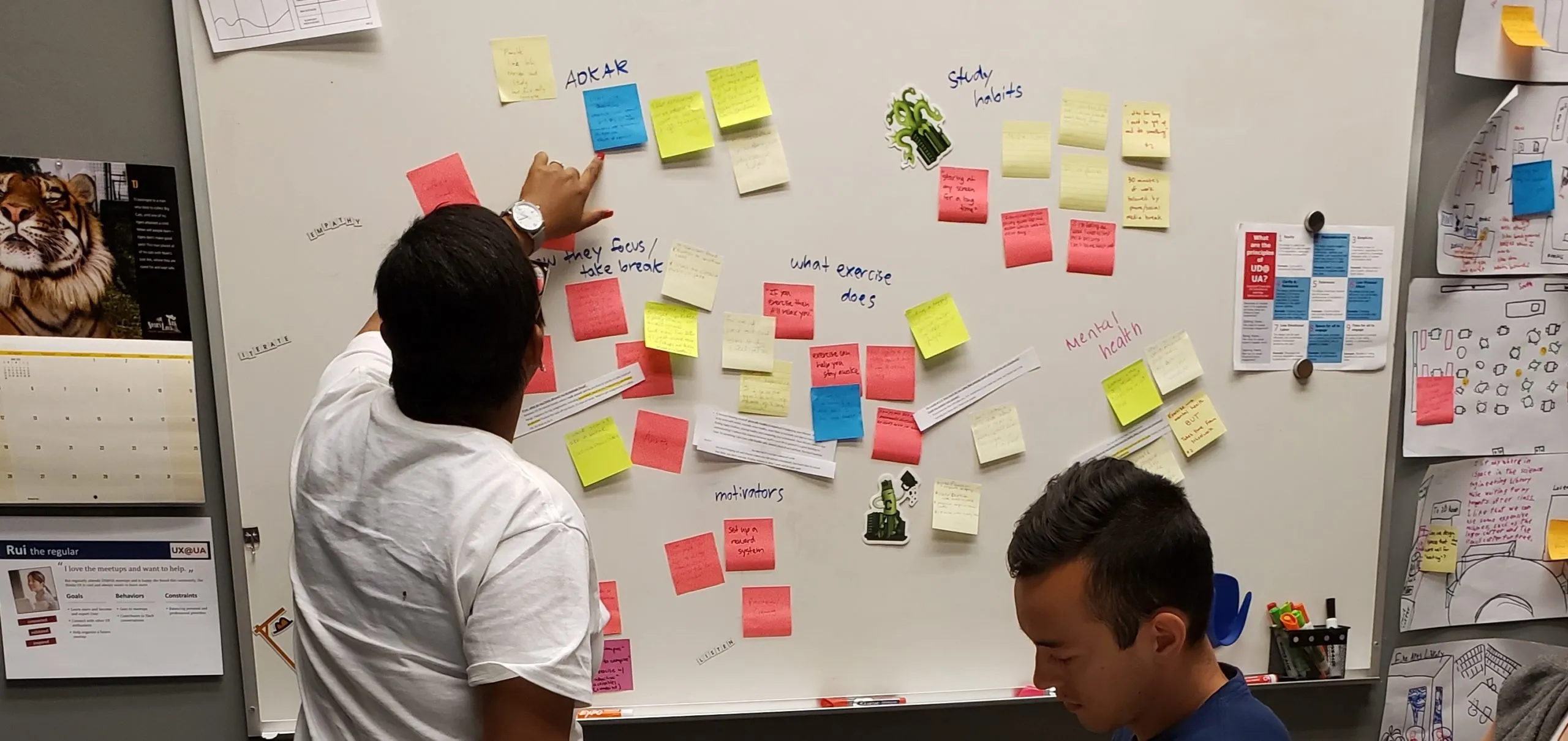
Let’s start with a familiar scene of a sprint retrospective where the team is trying to figure out why we didn’t hit our velocity targets, again. We examine our processes, looking at reasons like over-commitment or unexpected changes and blockers. But what if one of the biggest culprits has been hiding in plain sight all along?

Perhaps we can expose this culprit with a short analysis: How much time did your team spend last sprint just making sure your user stories were ready for development? How many times have you had to revisit the user story or seek clarification from the SME for a specific functionality? How often have you had to change your approach because of a misunderstood requirement? If you have or are experiencing these situations, then let’s try to understand this culprit better.
The Hidden Time Thief in Your Agile Process
Here’s a scenario that might sound familiar. Your product owner drafts user stories they believe capture the requirements. These stories get reviewed in refinement sessions where developers raise technical concerns. QA then asks questions about edge cases. The business analyst jumps in to clarify acceptance criteria. Several rounds of revisions later, you finally have a “ready” story.
And that’s if things go smoothly.
This manual validation process is quietly eating away at your team’s productivity. Think about it:
- Your product owner spends hours writing and rewriting stories
- Your developers spend precious time reviewing requirements instead of design and coding
- Your QA team spends time to define the test approach, analyse and manually create test scenarios/test cases from scratch
- Your entire team sits through lengthy refinement meetings discussing ambiguous requirements
- Multiple revision cycles happen across the board when issues inevitably surface leading to rework

We have tracked this across dozens of teams and the numbers are shocking. Development teams typically spend between 20-25% of their sprint capacity just on story validation activities, whereas as per Scrum it should be time boxed to 10% of Sprint efforts. That’s one full day each week not building anything!
The Painful Ripple Effects You’re Probably Experiencing
The damage doesn’t stop with just the time spent. Manual validation creates a cascade of productivity killers:
🚩 Late Starts on Development
How often does your team start coding on day one of the sprint? If you’re constantly finalizing stories well into the sprint, you are working with a compressed development window. This time crunch leads to corner-cutting and quality compromises we end up paying for later.
🚩 Playing Requirements Roulette
Let’s be honest, manual validation is wildly inconsistent. Person A might be thorough in his story reviews while Person B takes a more high-level approach. This inconsistency wreaks havoc on your understanding of the requirements which leads to inaccurate & assumption-based estimation, impacting the delivery quality and predictability.

🚩 The Expert Bottleneck Problem
In every team there is an SME who has in-depth understanding of the business process. Their unavailability causes bottleneck that can bring the entire validation process grinds to a halt.
🚩 Context-Switching Chaos
Here’s a scenario every developer dreads. You are making great progress on a user story, when a Slack message pops up: “Hey, we forgot to mention this specific condition needs to be added into the acceptance criteria hope that is okay” Now you must mentally shift gears, join a clarification meeting and completely rethink your implementation approach.
While being agile accommodates mid-sprint disruptions to an extent, how can we prevent disruptions by bringing in more control, consistency and transparency from the start.
Why is this a problem, we are agile?
Let’s put some real numbers behind this problem. For a typical 8-person development team with a two-week sprint:

- If 25% of time goes to manual validation, that’s 160 hours of lost development time per sprint
- That’s 320 hours monthly, equivalent to losing two full-time developers
- At an average developer cost of $30/hour, that’s $9,600 in wasted productivity every month for each team.
And we haven’t even factored in the cost of delayed time to market, rework efforts due to defects and the toll that constant rework takes on team morale.
“My team is getting burned out from constantly having to revisit stories they thought were done. It’s demoralizing to keep spinning our wheels” – Scrum Master from a Tech Startup
Turning the Tables with AI
This is where technology is finally offering us a way out. AI-powered tools are transforming how teams handle the documentation, coverage and validation of user stories.
✅ Instant Quality Feedback
Instead of waiting for manual reviews, imagine getting immediate feedback on a story’s quality. Does it have clear acceptance criteria? Are there ambiguous requirements? Does it align with established scientific frameworks? With the help of AI solutions this can be validated in seconds.
✅ Test Cases at the Click of a Button
What if you could generate comprehensive test scenarios right from your user stories? No more QA bottlenecks or missed edge cases! This alone can save hours per story while improving your test coverage and maintaining that traceability.

✅ Finding the Gaps Before They Find You
The most painful discoveries are the requirements you find missing mid-development. AI systems can analyse user stories against industry standards and historic data to identify potential gaps before coding begins.
✅ Reducing SME dependencies that cause delays
AI based validation eases the burden on the SME on mundane manual documentation and redirecting their focus to strategic objectives. Knowledge becomes democratized rather than siloed.
Taking Your First Steps
If you are nodding along to the problems I have described here’s how you can start addressing them:
📋 Track the time sink
For your next sprint, have team members log time spent on story validation activities. The numbers will likely surprise you.
💰 Calculate your cost
Put a dollar figure on that time, nothing motivates change like seeing the financial impact.
🤖 Try automated validation
Start with a small subset of user stories to see the difference in quality and preparation time.
📊 Measure the results
Track your velocity before and after to quantify the improvement.
It’s 2025, Time to Stop Validating Like It’s 2005
Let’s be real, in 2025, manually validating every aspect of user stories is like insisting on paper maps when everyone else is using GPS. It’s inefficient, error-prone, subjective and completely unnecessary with the tools available today.

Your team’s time is too valuable to waste on manual processes that technology can handle faster and more consistently. By implementing AI-powered solution, you are not just improving metrics, you are giving your team back the time they need to do what they do best, to build great software.
Is your team ready to stop the productivity drain of manual validation, user story and test documentation? Our AI platform automates story validation, test case generation and more, helping your team achieve the velocity they are truly capable of: thumba.ai
Comments (1)